
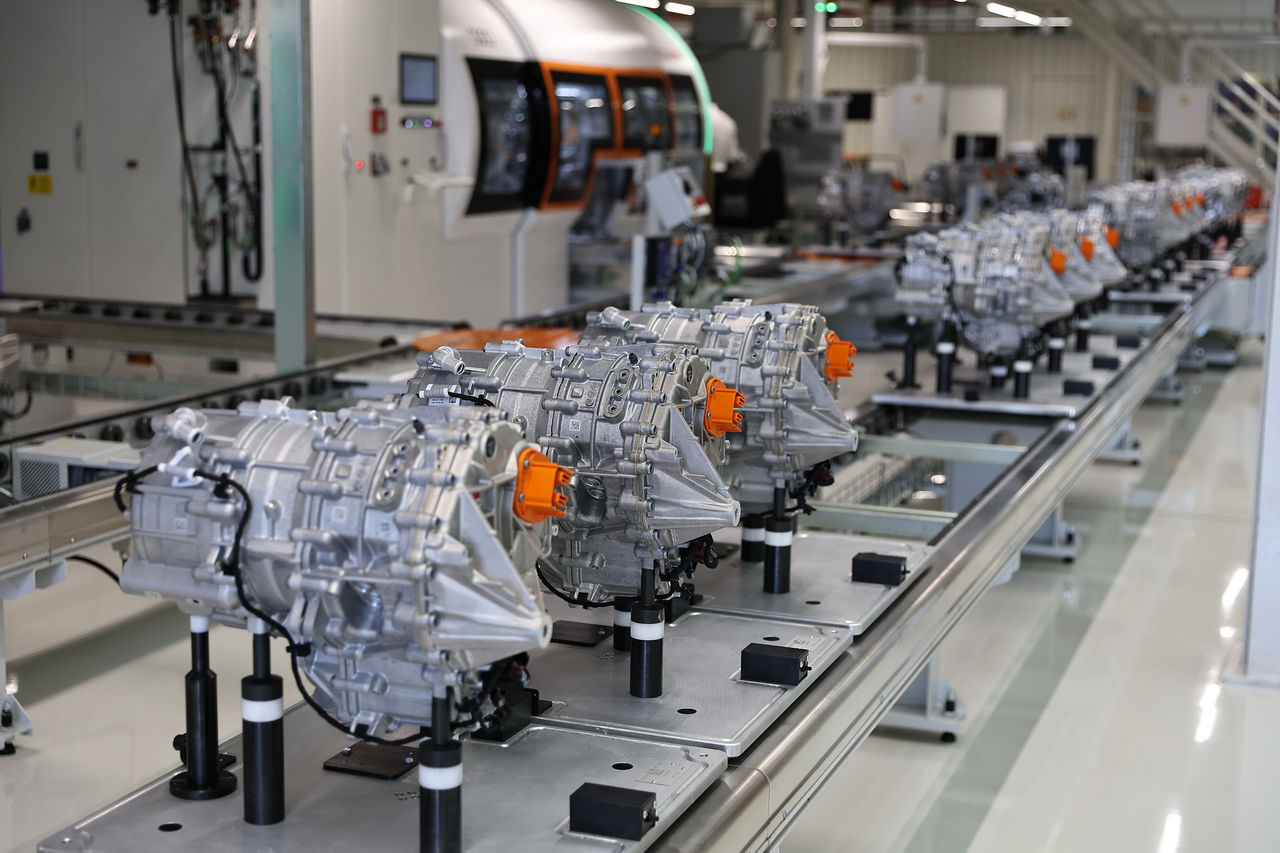
The MEBeco electric drive is the basis for a new generation of compact electric vehicles and will power a number of large electric models from the Volkswagen Group in the future, starting with the CUPRA Raval. In our factory in Győr, we not only assemble the new drives, but also significantly increase the production depth. Building on our expertise in the field of stator and gearbox manufacturing, we also manufacture rotors, plate packs and power electronics at our own site.
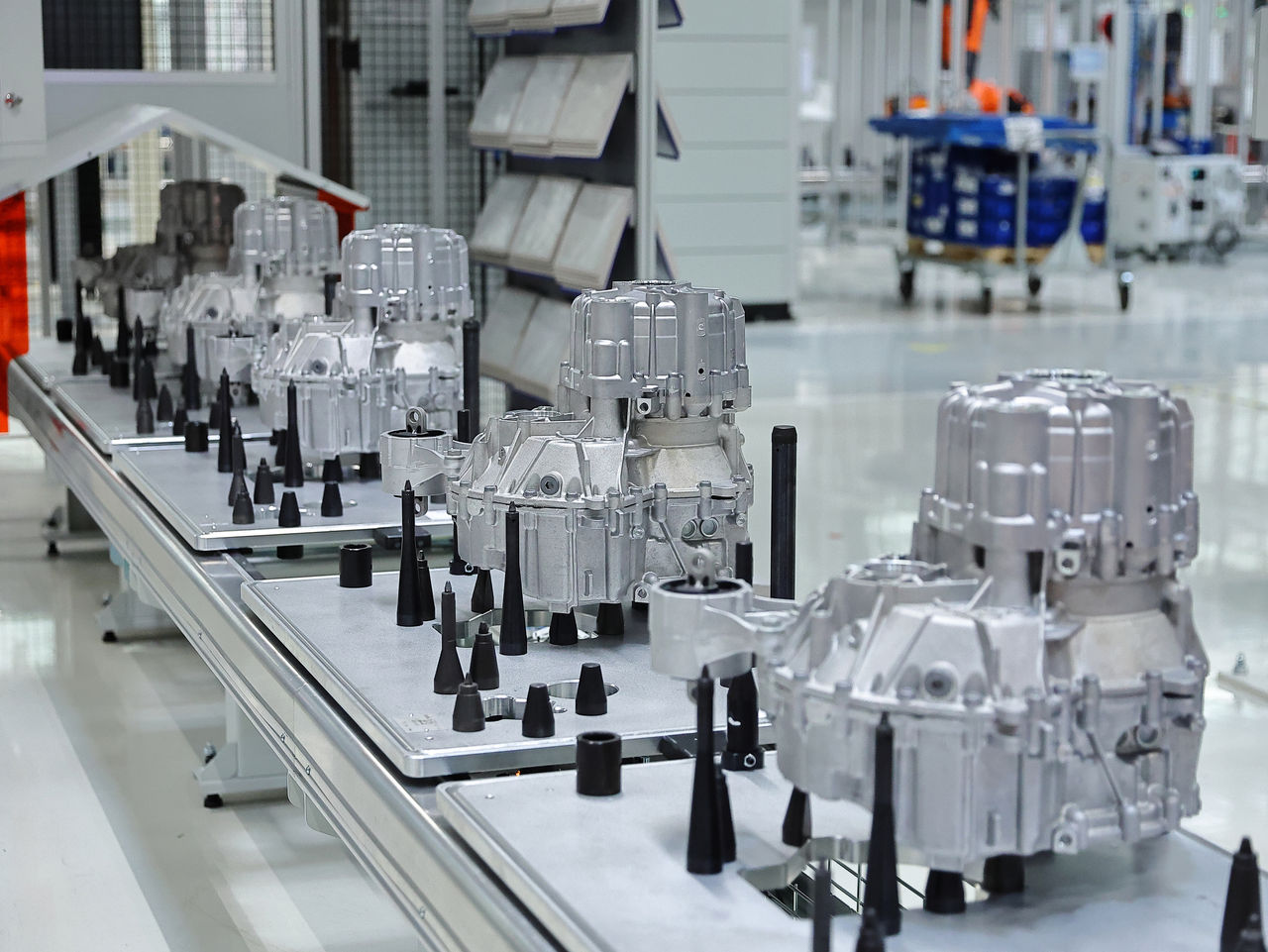
The success of the project required and still requires the close cooperation of several professional fields, such as production, factory design, quality assurance, logistics, project management, technical development, tool design. Let's see what all this means in practice from the point of view of our employees, which is a decisive milestone not only for the company, but also for the mobility of the future.
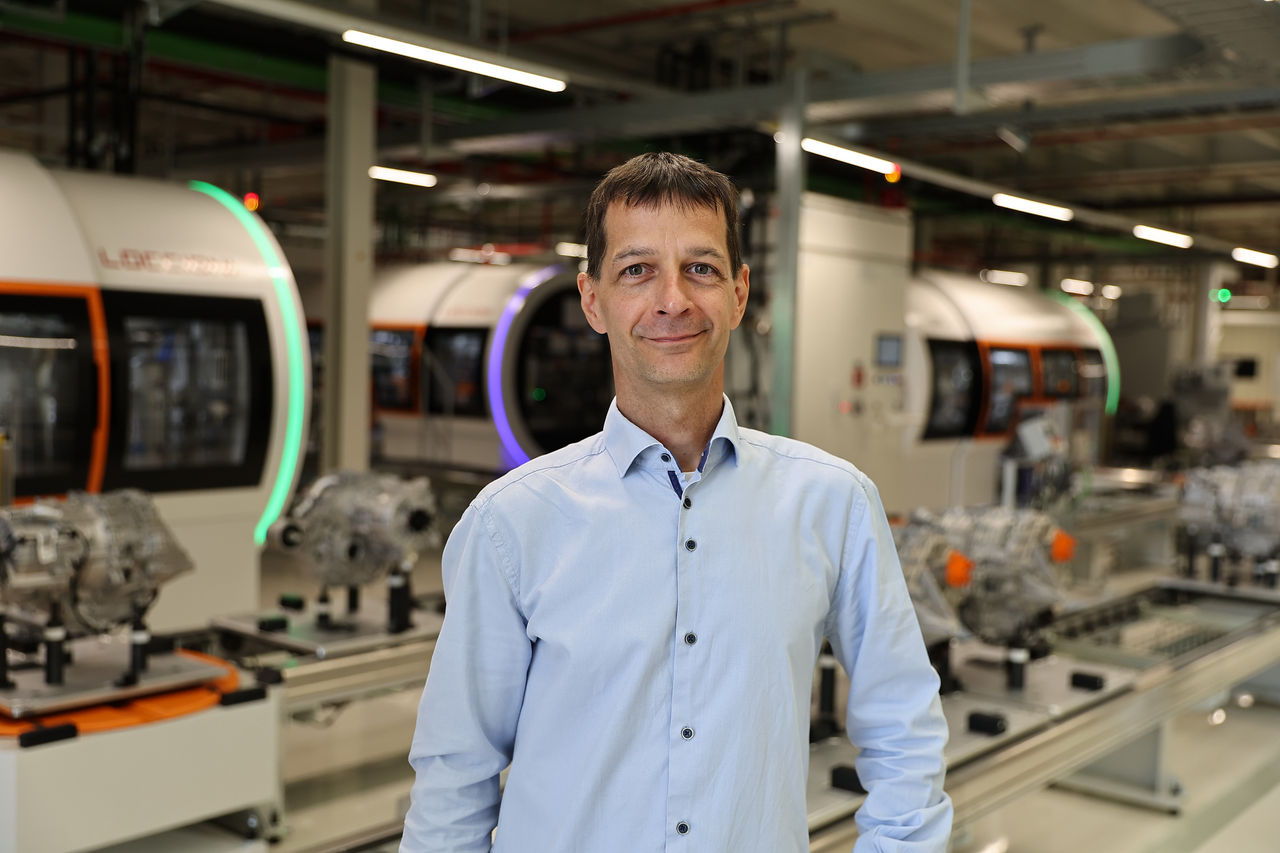
Péter Sipos joined Audi Hungaria 16 years ago as one of the first three production planning colleagues who came directly to design the future production of electric drives. He was involved in the construction and testing of the first equipment, and he entered the process of MEBeco production two years ago, after the completion of the PPE electric drive project.
"For us, a new project begins when the factory is still applying for the production of the new product. The design process itself is extremely diverse, the factors are constantly changing, so we can talk about constant redesign. It is extremely important to work together as a team with the other related areas, which is the result of many workshops, site visits and consultations. The biggest challenge of the recent period was that we had to dream up optimal locations for production of nearly 33,000 square meters on several unconnected existing factory areas, in which the virtual factory design greatly helped us. In the case of MEBeco, as the production depth increased, we also started to work with many previously unknown special processes and suppliers, and we built seven new lines, four of which were completely new in production technologies. The Group's Kassel site was an example for us as a benchmark site with a small number of units, we were able to take over several ideas from them, and we were also open to good practices brought by our colleagues from internal combustion engines. Now that serial production has started, the pressure on us has not yet disappeared, we can see the tasks that still need to be solved in the ramp-up phase. We will need quick reactions and a support function from us in the future as well, so that we can deliver processes that guarantee the highest quality even with the highest quantities. It is a great feeling to see that after several years of design work, there is already a queue for new electric motors waiting to be delivered."
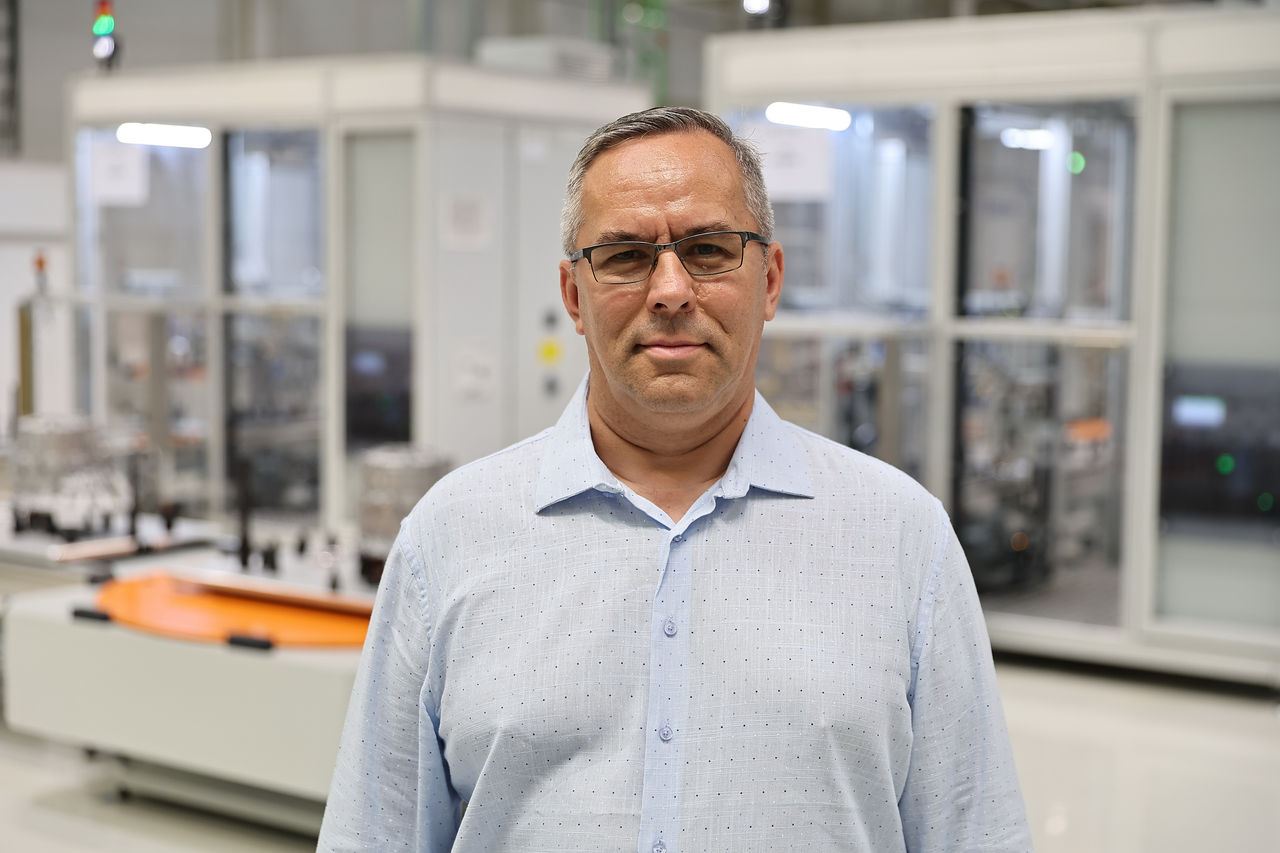
András Fonyódi entered the preparation process at the construction consultations, representing the engine factory in the project. With 29 years of maintenance experience behind him, he had a definite idea of what and how he would like to see in the hall, and he thought in a network from the very beginning.
"I consciously put the emphasis on the IT approach, and I was able to rely on my many previous experiences in the specifications of the cameras used. By the beginning of the pre-series, the system had become a complete whole, and our ideas had finally become reality. We are living in a very exciting time, because we are now seeing the real construction of the plans becoming tangible reality.
During the pre-series, we received excellent support from MAC - Experimental Engine Manufacturing Center. We have made a number of major technological leaps during the project, including in the areas of data transmission and communication. But the point of the pre-series is that we worked until we managed to solve everything, so we could start serial production with a tested, mature state.
I am proud of the fact that the network is stable, there are no communication errors, we have put together a strong, well-loaded system. When the designer, the logistician, the quality assurance specialist and the maintenance worker sit at the same table, there is no longer me and you, there is only the task that needs to be solved. This cohesion has driven the project forward, in which we will achieve the highest production depth ever in the field of electric drives. I am very confident that we will be able to put the icing on the cake, as this is a vital project for the company, especially now, when production volumes are decreasing almost everywhere in the world. I sincerely hope that with MEBeco we will be able to get out of this global downturn. As a former R4 Diesel driver, it is especially good to experience this, as we can feel the pride that characterized the old big booms again. Here in Győr, there is knowledge and technological resources that we have something to be proud of, and with this project we are showing this to the world again."
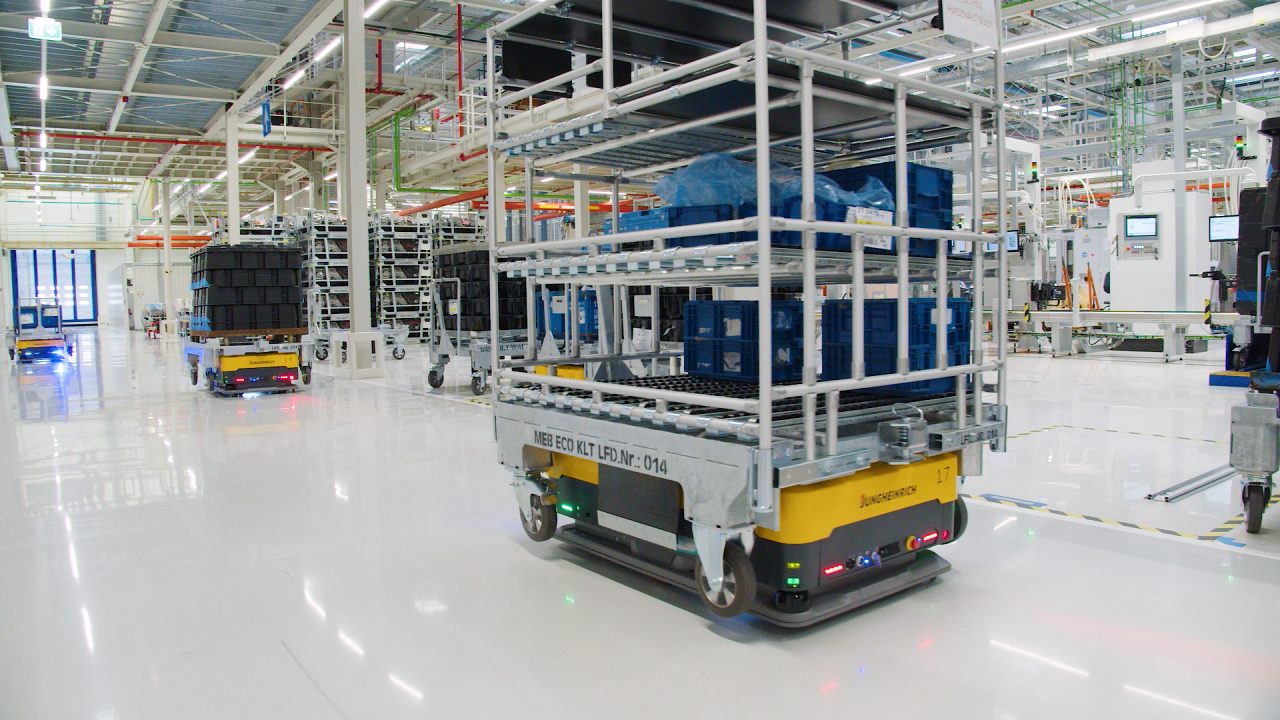
Similarly to production planning, he also expected a great challenge in the field of logistics. The planning and implementation of the logistics warehouse for the MEBeco production line and the entire line supply FTF (Driverless Conveyor Vehicle) technology was another major automation milestone in our logistics processes. By doing so, we have not only increased our efficiency, but it has also brought a modern, future-oriented solution into our daily operations, which allows for more flexible and cost-effective customer service. Automated queue service based on FTF is one of the largest and most significant developments in our logistics processes in recent times.
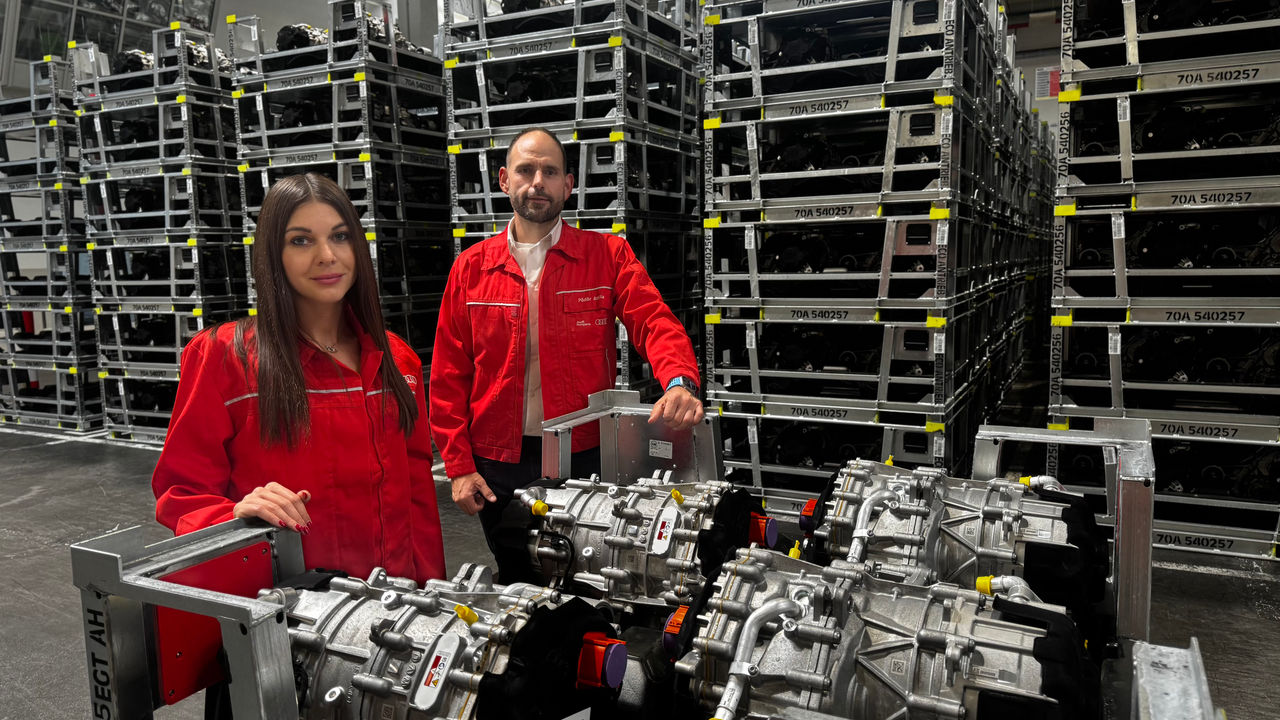
We are particularly proud that we have managed to introduce a modern, automated system in our engine warehouse on a large-scale production line, with the close cooperation of several disciplines, which creates a solid foundation for efficient operation in the long run. As the new robotic picker used in the production of the drives had to be integrated into the surface of the logistics warehouse, as a continuation of the existing processes, the project was actively supported by Attila Pődör from the Logistics Planning and Lilla Orbán from the Operational Logistics side.
The new pick-up was placed in the "heart" of the engine warehouse, so it was surrounded by the entire logistics process, so its installation and construction could only be carried out in addition to the daily customer supply, which posed a serious challenge in addition to the storage and delivery of the 7000 engines produced on average per day. The task was very exciting, as in our engine warehouse in the field of serial removal, we did not integrate a new engine type into an existing process, but after the previous manual removal, we got acquainted with a completely new automated technology. We were able to stand behind the innovative and future-oriented solution with full shoulders, we had common goals, we found solutions to the challenges that arose together, and the work with the partner areas went smoothly.
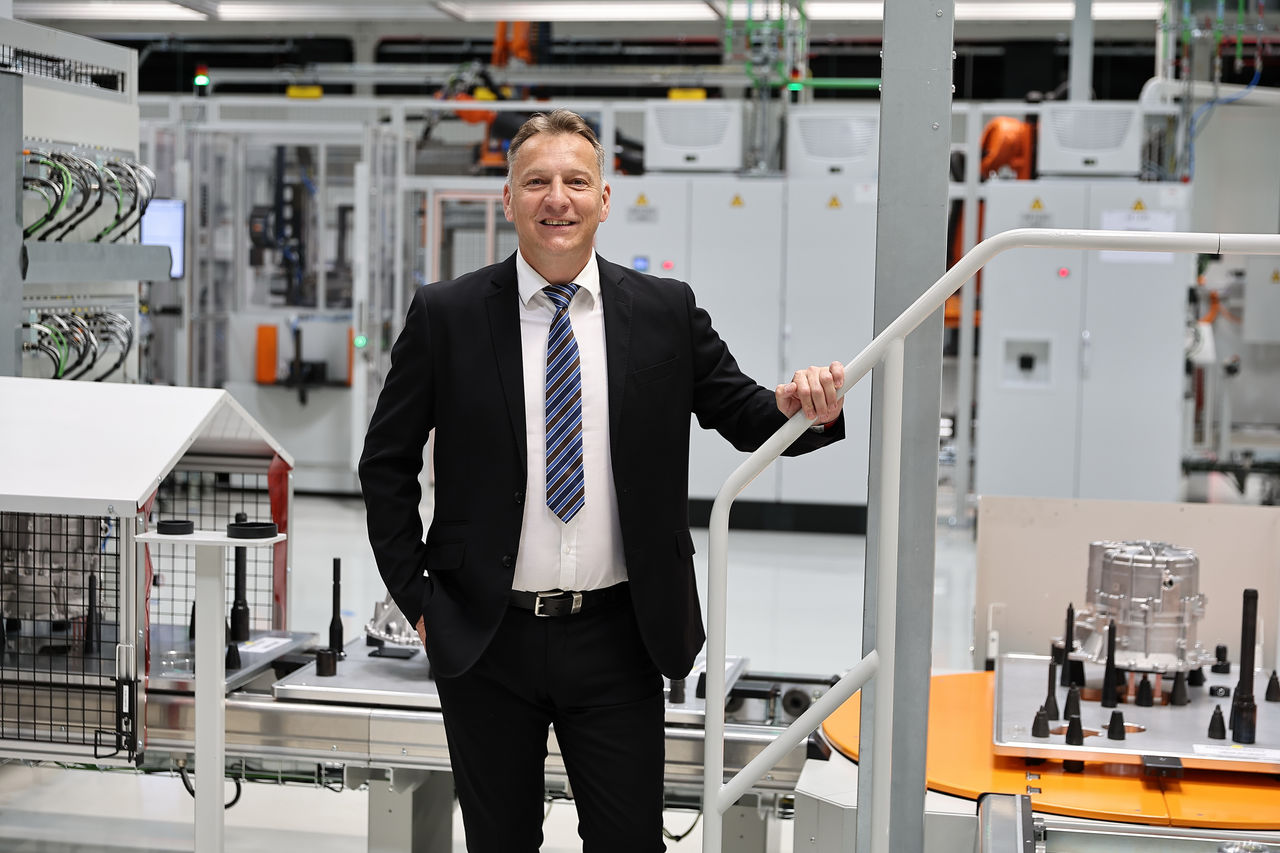
As part of the preparation for the serial production of the MEBeco electric drive, he relied on the training center of Audi Hungaria to provide his employees with up-to-date knowledge of automation technology and production technology. Four years ago, the Audi Academy began to develop the framework for a comprehensive program, during which nearly 370 training courses were implemented with more than 2000 participant days. Zoltán Léránt has made a significant contribution to this work, cooperating with corporate specialties, external service providers, and Hungarian and foreign universities.
"The basic knowledge was available in-house, we brought the special content to our home from our professional knowledge partners, and there was also an example of the University of Darmstadt. Colleagues were extremely open to learning, and the success factor clearly lies in their high level of interest. We tried to compile a practice-oriented curriculum with concrete factory examples. In cooperation with the specialist areas, popular programs such as mentored robot training and machine vision training have been created, among others.
Since the production of the new drive also made it necessary to acquire new competencies, we mainly focused on the development of the knowledge of automation, control technology and laser welding. And we built our knowledge of two completely new areas of power electronics and plate package production from the ground up. The conditions for this were given in our training center with excellent infrastructure. We have been able to react quickly to the technologies related to the new production depths, which are being mapped and Audi-Hungaria-specific training materials are being compiled continuously, so we can be up-to-date in the development of the knowledge of Audi employees."
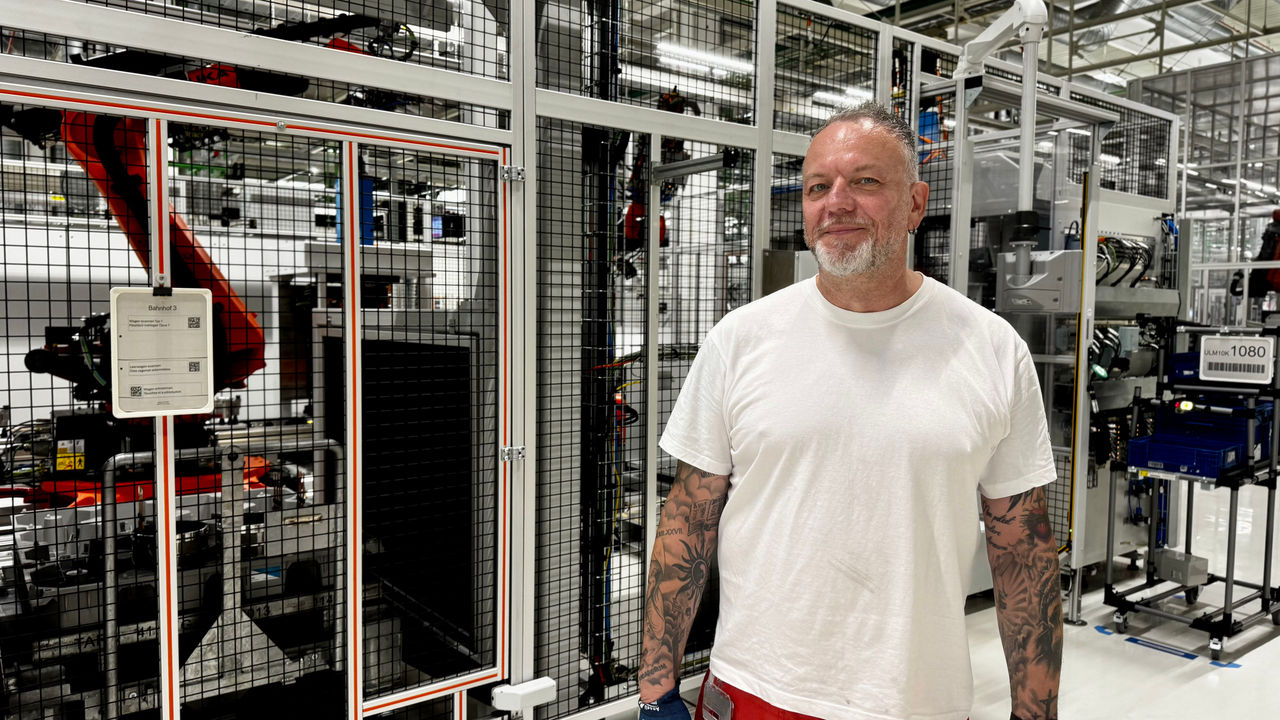
The most authentic answer to what it means in practice to produce a completely new product is from our engine factory colleague. Ferenc Herdits has been a member of the MEBeco project since May 2025, which initially offered him a lot of new information and challenges.
"I experienced the whole thing like a curious little child when he takes in his hands what he has only seen in drawings so far. When the first shoot was ready, I felt completely at my own. For me, this is the first electric power unit that I am involved in manufacturing, and I immediately experienced that it is faster to install, there is less room for errors, and the technology behind it is simpler, but at the same time more efficient.
It was important that we were able to prepare thoroughly last year, we could learn not only the production-specific knowledge and the steps of production, but also the whys. The bearings of the electric drive are significantly different from the bearings of internal combustion engines, so the mastery of the assembly process of ball bearings also required special professional preparation.
The nature of work has also changed significantly due to the degree of automation: the machines are much more complex and we had to learn how to operate them. The biggest challenge for me was one of the most complex assembly stations. Here, several systems – two robots, two automated rotary tables, two press screws and three parts loading stations – work in harmony at the same time. It took time for me to see through the whole process and to be able to handle the station with confidence. Even today, this is an area where you can constantly gain new experiences.
This way, understanding the processes, I can pay even more attention to quality and the elimination of possible errors. It was an uplifting feeling when the first drive passed the final inspection and got the green light, because I knew that my work was also involved in it. We are proud that the production of the components also takes place in Győr, and the quality can be controlled locally, so our colleagues can guarantee it."
This is how the production of the third generation of electric motors started at Audi Hungaria, with new professional competencies, a lot of learning, high-level cooperation and, finally, a lot of success and pride.